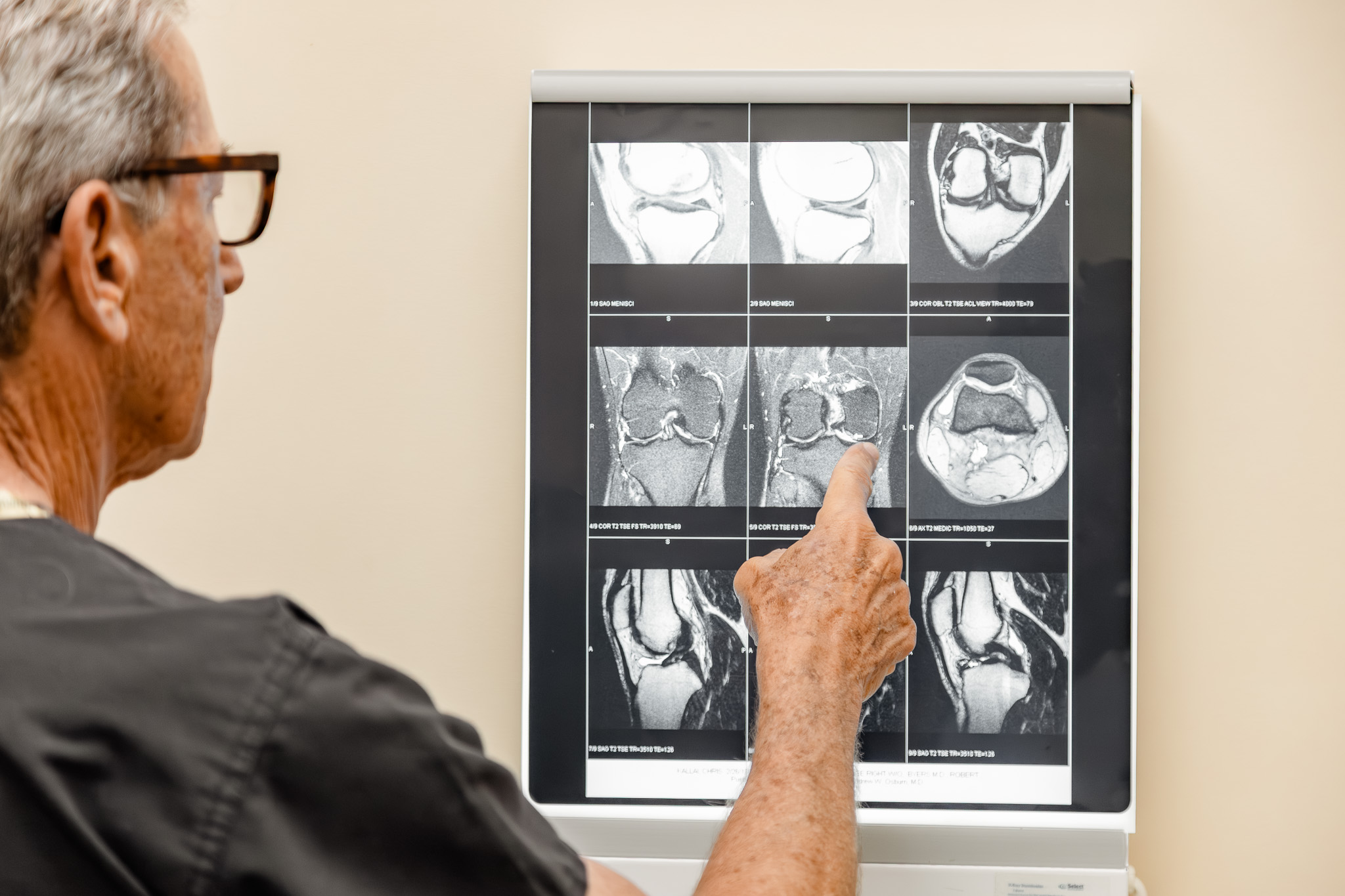
Knee preservation for osteoarthritis, meniscus and ligament injuries, with non-surgical options that may delay or avoid a joint replacement. Santa Barbara.
Dr. Scheinberg has spent over 40 years performing complex knee surgeries, giving him a unique "surgeon’s lens" when evaluating joint health. Our practice focuses on the "Biologic over Bionic" philosophy, prioritizing the repair of your natural knee architecture over the installation of metal and plastic parts. By combining surgical-level diagnostics with advanced cell therapies, we offer a path to recovery that addresses the root cause of knee pain while minimizing the risks and lengthy rehabilitation of major surgery.
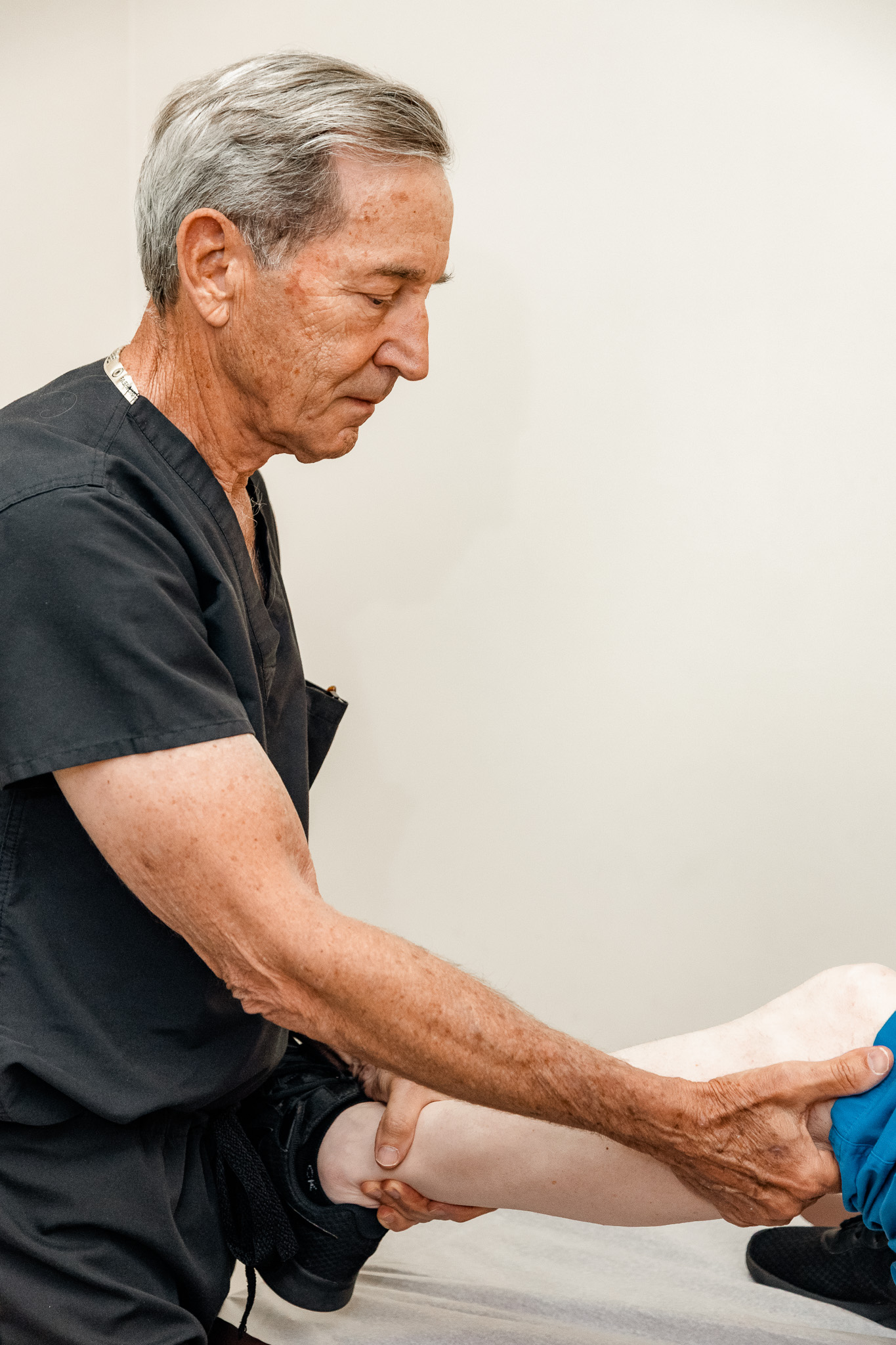
We target knee osteoarthritis by utilizing Bone Marrow Aspirate Concentrate (BMAC) and PRP to aggressively reduce inflammation and fight apoptosis (cell death). This approach aims to restore a healthy environment within the joint, significantly delaying or eliminating the need for a total knee replacement.
For partial meniscal tears, we offer regenerative alternatives to traditional "trimming" surgeries, which can often lead to early arthritis. Our biologic treatments deliver concentrated growth factors directly to the tear, supporting the natural healing of the knee’s vital cushioning.
We treat acute and chronic ligament injuries, including ACL, MCL, and LCL sprains, by using precision-guided injections to stimulate tissue repair. This focus on structural integrity helps athletes and active individuals return to their sport with a stable, functional joint.
Damaged cartilage on the surface of the knee joint can lead to debilitating "bone-on-bone" pain. Our regenerative protocols focus on preserving and protecting articular cartilage, utilizing biologics to manage symptoms and improve the mechanical fluid environment of the knee.
Every knee procedure is performed in our accredited surgical center under high-resolution ultrasound or fluoroscopic guidance. This ensures that every biologic treatment is delivered with absolute precision to the exact site of the problem, maximizing the potential for long-term success.
The problems that bring people to this page. If one of them is yours, a consultation is the next step.
 Knee osteoarthritisMeniscal tearsACL, MCL and LCL sprainsCartilage damagePersistent knee pain after other treatmentTold you need a knee replacement
Orthobiologics come after conservative care has been tried, and before surgery. See the full patient journey
Most patients arrive with their imaging and have already tried physical therapy or steroid injections. Dr. Scheinberg reviews your history, your imaging and your goals. Patients outside the area can start with a telemedicine consultation.
Physical therapy and viscosupplementation come before orthobiologics. If they have not been tried yet, they are the starting point.
When the basic treatments have not worked, PRP or BMAC is considered before surgery. BMAC is performed at Pueblo Surgery Center, the AAAHC-accredited facility on the same campus as the office.
If preserving the joint is not a reasonable option, you are referred for surgical care.
Karen
Lily M.
Answered by Dr. Scheinberg. The full list covers cost, insurance, risks and more.
See all questions →Have a question about your own situation?
Call (805) 682-1394Candidacy is determined through a formal assessment, not assumed. The best candidates are generally patients with moderate joint degeneration or soft tissue injury who have not found lasting relief from physical therapy, NSAIDs, or cortisone injections, and who want to pursue a regenerative approach before considering surgery. Patients with bone-on-bone arthritis in all joint compartments, significant structural deformity, or other complicating factors may have more limited potential benefit, though this is evaluated on an individual basis. Dr. Scheinberg will give you a straight answer about whether you are a likely responder.
The number of treatments depends on the condition being addressed, its severity, and how your body responds. For soft tissue injuries such as tendinopathy or partial ligament tears, one to two PRP sessions is often sufficient. For knee or hip arthritis, a series of two to three injections spaced several weeks apart is typically recommended. For more advanced joint degeneration treated with BMAC or the combined approach, a single comprehensive treatment session is often the starting point, with follow-up assessment at 12 weeks to evaluate response. Dr. Scheinberg will not recommend additional treatments unless the clinical picture supports them.
Orthobiologics work through a biological healing process, which takes time. PRP patients typically begin noticing improvement four to eight weeks after treatment. The full benefit of BMAC often becomes apparent at two to three months and can continue improving for six months or more. This is a meaningful difference from cortisone injections, which may provide faster initial relief but fade quickly. The timeline is part of an honest conversation Dr. Scheinberg has with every patient before treatment begins.
Whether you are dealing with early-stage osteoarthritis or a severe sports injury, we provide surgical-level diagnostics and advanced biologic treatments to help you avoid invasive procedures and get back to the life you love.
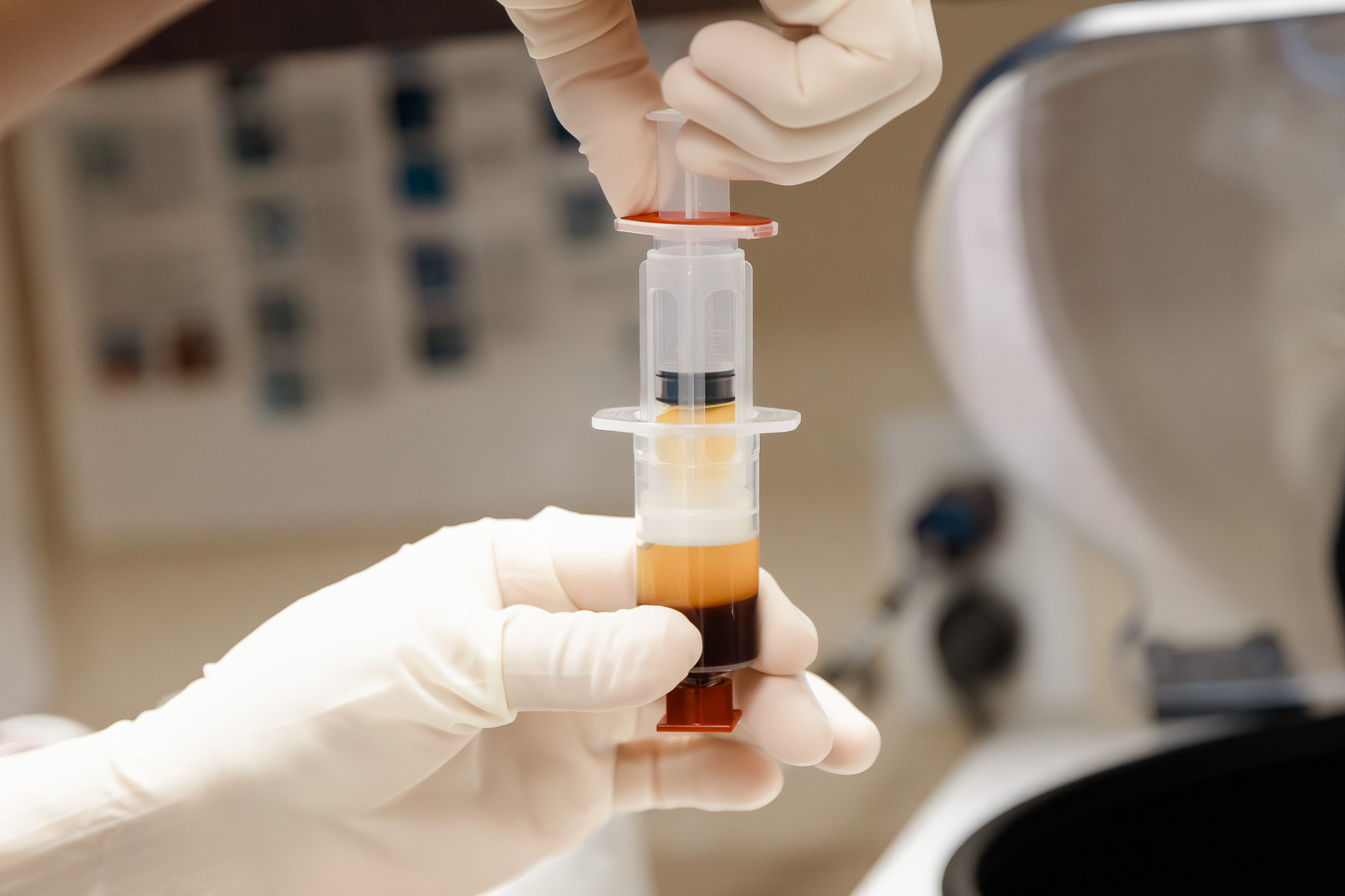
Platelet-rich plasma concentrates your own platelets to support repair of tendon, ligament and early joint degeneration, delivered under image guidance.
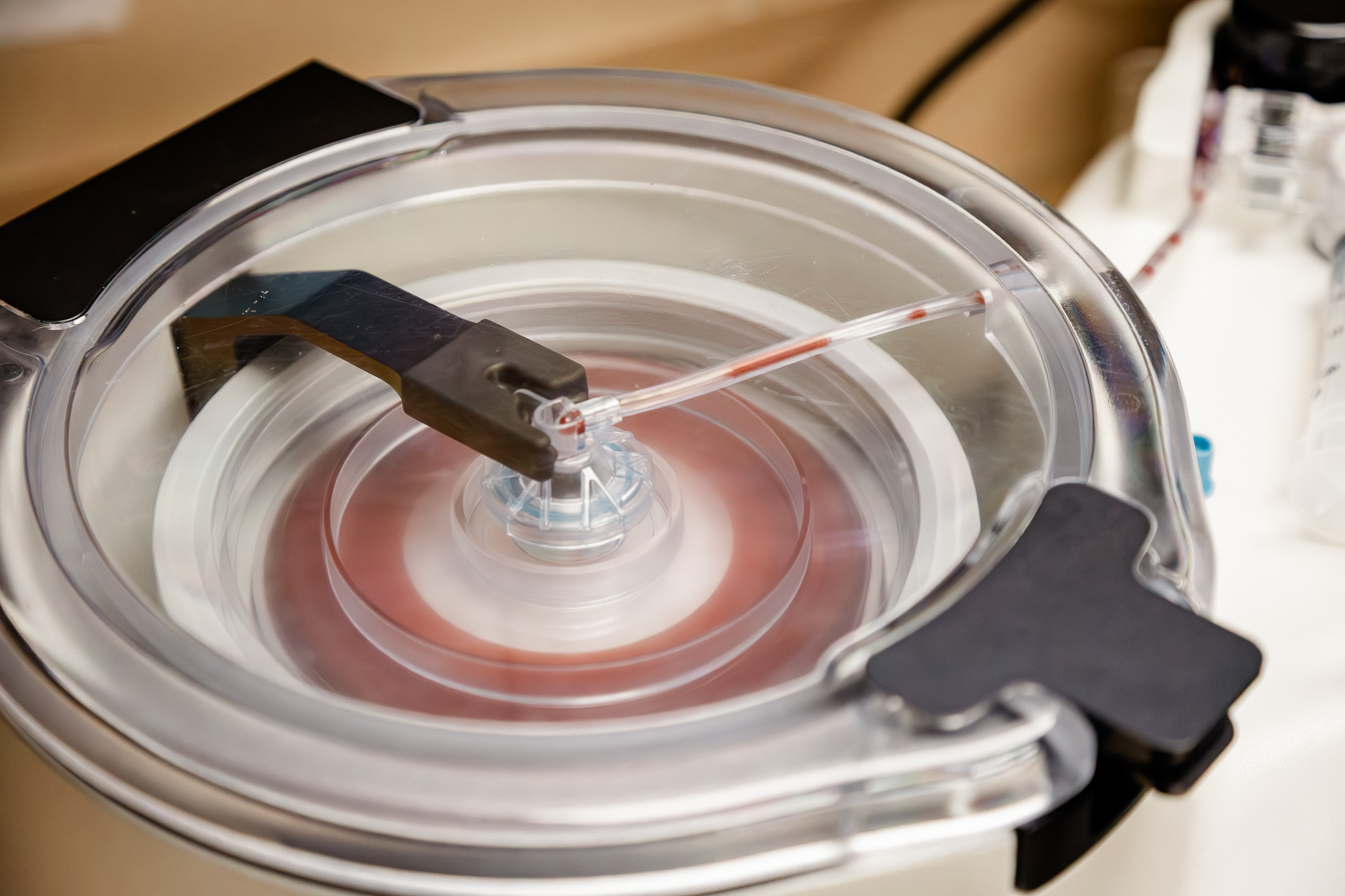
Bone marrow aspirate concentrate uses your own marrow-derived cells for advanced joint preservation, performed as a surgical-grade outpatient procedure.
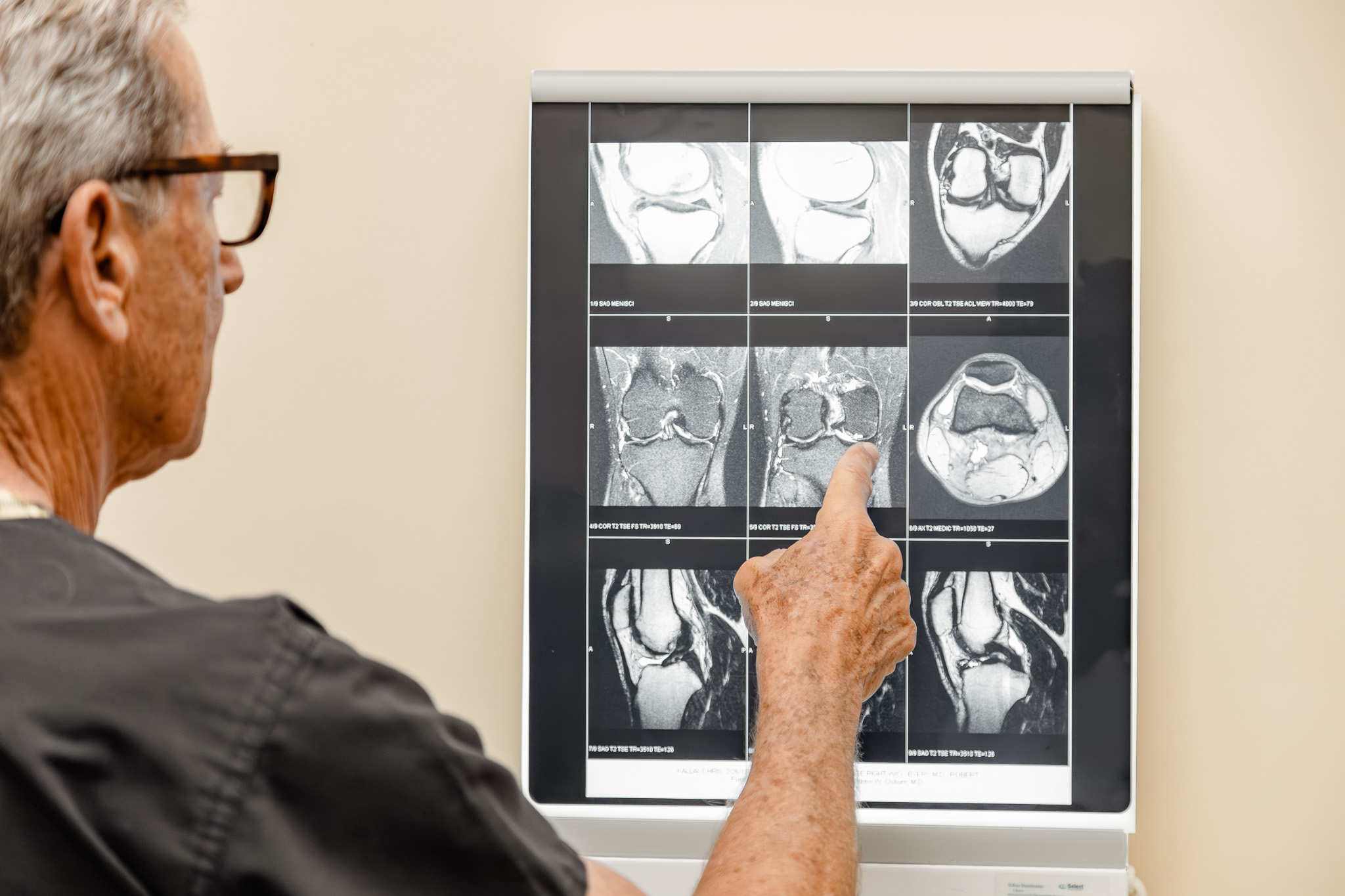
A combined PRP and BMAC protocol for severely degraded joints, pairing growth factors with marrow-derived cells under image-guided surgical precision.
A consultation with Dr. Scheinberg looks at your imaging, your activity and your goals, and tells you plainly whether preservation is a reasonable option.